
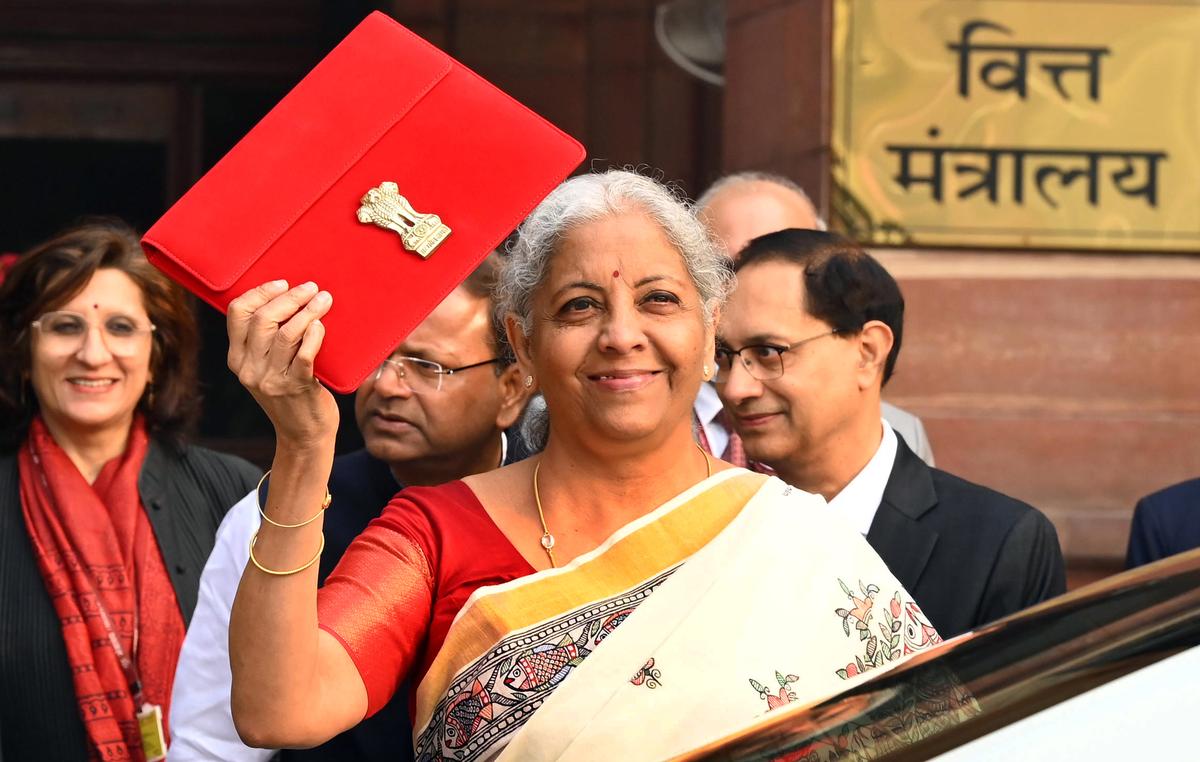
Finance Minister Nirmala Sitharaman announced broad rate reductions for common-use goods during the 56th meeting of the GST Council. These items include a variety of foods, medical supplies, electronic gadgets, car parts, and many more.
According to PM Modi, the reforms would boost India's long-term growth while directly benefiting the average person, farmers, MSMEs, women, youth, and middle-class families. The GST Council has suggested a comprehensive reform plan in accordance with the PM's vision, which comprises rate rationalization with a simplified two-slab structure (5% and 18%), cross-sector rate reductions with an emphasis on common people, labor-intensive industries, farmers, and agriculture, health, key drivers of the economy.
The new tax structure is such that the earlier rates of 5%, 12%,18% and 28% have now been subsumed into the 5% and 18% category.
Further there is a new slab rate of 40% that has been introduced for luxury and sin goods such as pan masala, tobacco, aerated drinks, high-end cars, yachts, and private aircraft. This is to discourage consumption of the sin goods by taxing them at a higher rate of GST.
(Beginning on September 22, 2025, the updated rates and exemptions will be implemented, guaranteeing prompt relief for households, enterprises, farmers, and the average person. With the exception of certain goods, such as cigarettes and chewing tobacco products like zarda, unmanufactured tobacco, and beedi, the cess will continue to be levied over and above the GST rate.)
This simplified two-tier structure is aimed to amplify demand by reducing the tax burden and increasing purchasing power. It provides sustainable revenue growth for all states and empowers MSMEs as these simpler rates support the 'Make in India' initiative. Further, smoother duty structures result in faster processing of refunds, and simpler tax rates encourage compliance, expanding the tax base and improving revenues.
Correcting inverted duty structures boosts domestic value addition and exports. The exemption of GST on insurance and essential medicines strengthens household security and access to healthcare. Together, these reforms ensure that GST is citizen-centric, business-friendly, and aligned with India’s global growth ambitions.
Food and Household Essentials: GST rates on staples and packaged food items are now 0% or 5%. Indian breads, UHT milk, and paneer see a NIL rate, while goods like soaps and toothpaste are at 5%.
Consumer Durables: GST on items like televisions, air conditioners, and dishwashers has been reduced from 28% to 18%, making them more affordable for the middle-class. (This move is designed to support middle-class aspirations and boost manufacturing in these key sectors.)
Construction: Cement and other building materials are down from 28% to 18%, and materials like marble and granite are now at 5%, which will reduce construction costs. (This supports the housing and infrastructure sectors, which are crucial for economic growth and job creation. This initiative supports the government's vision of 'Housing for All' by making home construction more affordable.)
Automobile Sector: Smaller cars, two-wheelers (up to 350cc), and auto parts have seen a rate cut from 28% to 18%, supporting the automotive sector.
Agriculture: Inputs like tractors and harvesters have benefited from GST rates dropping to 5%, reducing costs for farmers. (This move is intended to modernize agriculture and improve farmers' incomes.)
Healthcare: GST on 33 life-saving drugs and diagnostic kits has been slashed to zero. Individual life and health insurance policies are now exempt from GST. (This measure ensures that critical healthcare remains affordable and accessible to all.)
Services Sector: Hotel stays under Rs. 7,500 per day will now be taxed at 5% instead of 12%, and services like gyms and salons will also see a reduction to 5%. (This promotes tourism and wellness, which are important service industries.)
Education: Education related products like exercise books, pencils, crayons, and sharpeners have moved to zero GST, relieving costs for families and ensuring more affordable learning materials for students, directly benefiting households and promoting inclusive education.
Luxury and Sin Goods: High-value items including pan masala, tobacco products, aerated drinks, luxury cars, yachts, and private aircraft continue to attract a 40% GST rate. This approach maintains revenue balance and fairness by taxing non-essential luxury consumption at a premium rate. (This approach aligns with the government's dual goals of discouraging the consumption of unhealthy products while ensuring that the tax burden on luxury goods is fairly distributed.)
An inverted duty structure occurs when the tax rate on inputs (raw materials) is higher than the tax rate on the finished goods (output). This leads to an accumulation of unutilized Input Tax Credit (ITC), which creates cash flow problems for businesses. For example, if a manufacturer buys fabric at 12% GST but sells ready-made garments at 5% GST, there is excess credit that remains blocked. The new reforms aim to correct such structures, especially in sectors like textiles, to ease the working capital burden on businesses and boost competitiveness.